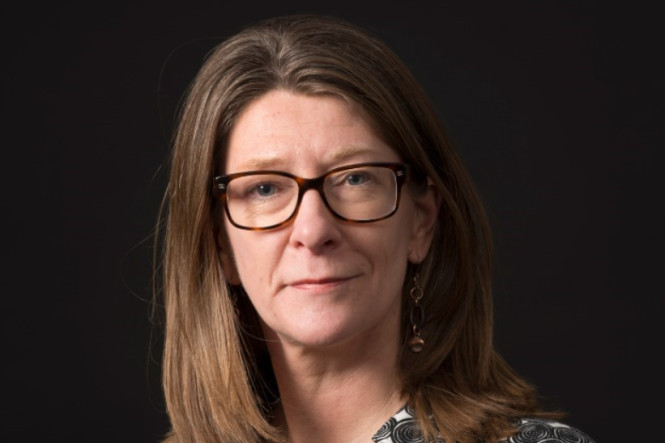
One of the themes in Feltkamp’s research is ensuring that donor screening keeps pace with the changing “infection landscape”. Due to factors such as climate change, mosquito‑borne viruses are becoming increasingly relevant in Europe while other infections are declining thanks to effective treatment. Feltkamp emphasises the need for screening programmes that anticipate such shifts to safeguard blood and organ safety.
Her work also addresses knowledge gaps that can hinder appropriate screening. She and her team investigate emerging infections in the Netherlands and study why some organ donors transmit viruses more readily than others. Particular attention goes to the BK virus, known to cause inflammation in transplanted kidneys.
A promising development is the use of TTV, a harmless virus that reflects a patient’s immune status. Measured via a simple PCR test, TTV may help refine immunosuppressive therapy for transplant patients, reducing complications like rejection and infections.
Through her combined efforts at LUMC and Sanquin, Feltkamp aims to contribute to safer transfusion and transplantation practices—developments that could have direct impact on patient outcomes and long‑term care.