C. difficile can cause severe inflammation of the colon and is a major challenge in healthcare settings because infections often occur after patients receive antibiotics. In this study, 69 healthy participants received either no antibiotics, a one-day course of antibiotics, or a five-day course of antibiotics before being administered the non-toxigenic C. difficile strain. Colonization rates were 5%, 32%, and 84%, respectively, demonstrating that even a short antibiotic course dramatically weakens protection in the gut, allowing the bacterium to establish itself.
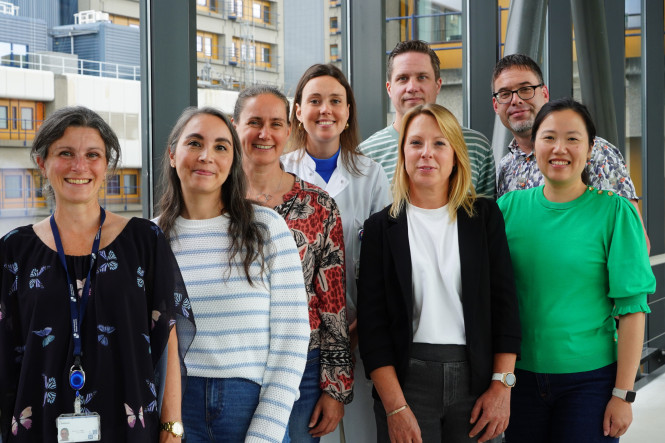
Annefleur Hensen, PhD candidate at LUCID and internal medicine resident, commented: “We were surprised by the increase in colonization already after only one day of antibiotics. Even more surprising was that, during the week between participants finishing their antibiotic course and receiving the C. difficile dose, some participants acquired C. difficile strains naturally in their day-to-day lives.”
The findings show that though antibiotics do not directly cause C. difficile infection, they disrupt the gut microbiome in such a way that ecological ‘gaps’ are created that the bacterium can exploit to establish itself in the host. The natural defense system is compromised.
Dr. Wiep Klaas Smits, head of the research group Experimental Bacteriology, commented: "It is uncommon for microbiome studies to use such a small sample size, due to the considerable variation between individuals' gut microbiomes. Therefore, I am proud that we were able to demonstrate that meaningful results can be generated within a highly controlled study population."
Looking ahead, the researchers plan to use this model, which took around seven years to develop, to investigate the factors that influence C. difficile colonization. One potential therapeutic strategy is to administer the non-toxigenic C. difficile strain developed for this trial to susceptible patients, allowing it to occupy these ecological niches before harmful toxigenic strains can take hold.
Annefleur adds: “This work demonstrates the power of multidisciplinary collaboration. By bringing together expertise from pharmacy, microbiology, clinical medicine, and laboratory science, we have been able to develop a unique research model. Above all, I would like to express my sincere gratitude to the study participants, without whom this work would not have been possible."
Read the paper here.
The work received support from the Innovative Medicines Initiative 2 Joint Undertaking under grant agreement No 101007799 (Inno4Vac).
Learn more about the Inno4vac consortium here.