There are two major species of parasitic Schistosoma worms which cause schistosomiasis. Though carbohydrate chains (glycans) attached to proteins and lipids of Schistosoma mansoni have been studied extensively, much less is known about those of Schistosoma haematobium, despite this type causing at least half of all infections in Africa.
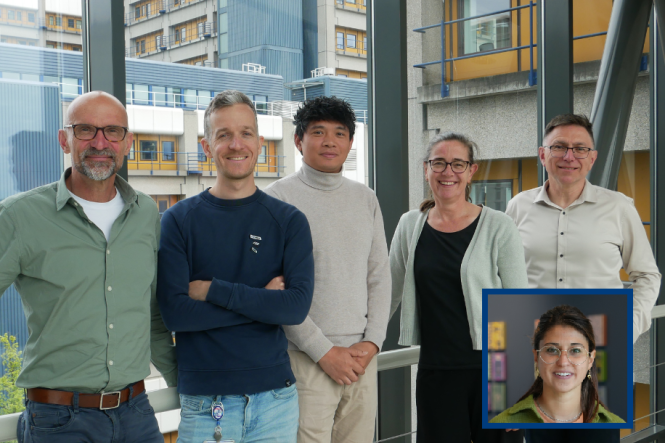
In this study, Laudine Petralia and fellow researchers at LUCID, together with colleagues from LUMC’s Center for Proteomics and Metabolomics and from New England Biolabs, bridged this knowledge gap by analysing the glycans of S. haematobium using advanced mass spectrometry approaches, finding that its glycans differ substantially from those of S. mansoni. This included differences in their core structures, patterns of fucose attachment, and the presence of glucuronic acid on glycosphingolipid (GSL) glycans. Importantly, using glycan antigen microarray technology it was shown that people infected with S. haematobium have more antibodies (IgG) to these acidic GSL glycans than individuals infected with S. mansoni.
Ultimately, this important paper published in Nature Communication shows that these two parasite species have distinct glycosylation profiles, and that S. haematobium-specific glycans play an important role in interactions with the human immune system. Because these glycans are unique to Schistosoma haematobium, they may be valuable biomarkers that can be used to develop new diagnostic tools for detection and control of schistosomiasis.
Find the paper here: https://www.nature.com/articles/s41467-026-70850-0